


Why Your Extension Needs a Party Wall Contract
Planning a home extension is exciting - but before the first brick is laid, UK law requires you to address your shared boundaries. Any substantial works affecting a wall you share with a neighbour carry a legal obligation to follow formal party wall procedures, making this a requirement, not a choice.
More Than a Legal Formality
A party wall contract is the framework that keeps your project on track. It defines the scope of works, establishes timelines, clarifies who bears responsibility for any damage, and protects the rights of everyone involved. Getting this in place early prevents disputes from derailing your build mid-progress.
The Foundation of a Smooth Build
Think of it less as paperwork and more as professional groundwork. When party wall matters are handled from the outset, your project benefits from:
- A clear legal record of the property's condition before work begins
- Defined responsibilities that protect both you and your neighbours
- A compliant framework that surveyors and contractors can operate within confidently
Treating it as a foundation - not an afterthought - sets the tone for the entire project.
What a Party Wall Contract Actually Covers
A party wall agreement is far more than a courtesy letter to the people next door. It is a legally binding document that defines exactly what work will be carried out, when it will happen, and who bears responsibility if something goes wrong.
Scope, Schedule, and Accountability
The agreement documents the full scope of construction, fixing agreed timelines so both sides know what to expect and when. Crucially, it assigns clear responsibility for any damage caused during the works - removing ambiguity that could otherwise escalate into costly disputes.
Protecting Access and Property Rights
A party wall contract also establishes your neighbour's access rights: when surveyors may inspect, how existing conditions will be recorded before work begins, and what recourse exists if damage occurs. That pre-construction survey is particularly important - it creates an independent baseline, making it straightforward to distinguish fresh damage from pre-existing issues.
Which Works Require a Party Wall Contract by Law
Not every home improvement triggers legal obligations - but the most ambitious projects almost certainly will. If your plans involve breaking into, building on, or working close to a shared boundary, the law requires formal notification before a single brick is laid.
Works That Trigger Obligations
The following project types are legally subject to party wall procedures:
- Extensions that cut into or build against a shared wall
- Loft conversions involving structural alterations to a party wall
- Basement construction and excavation near neighbouring foundations
- Any new wall built astride or at the boundary line
Act Before Work Begins
The critical point is timing. A party wall contract must be in place before construction starts - not negotiated as an afterthought once disputes surface. Identifying whether your planned project falls within scope early allows proper notices to be served, surveys to be arranged, and your programme to proceed without legal interruption.
How a Party Wall Contract Protects You and Your Neighbours
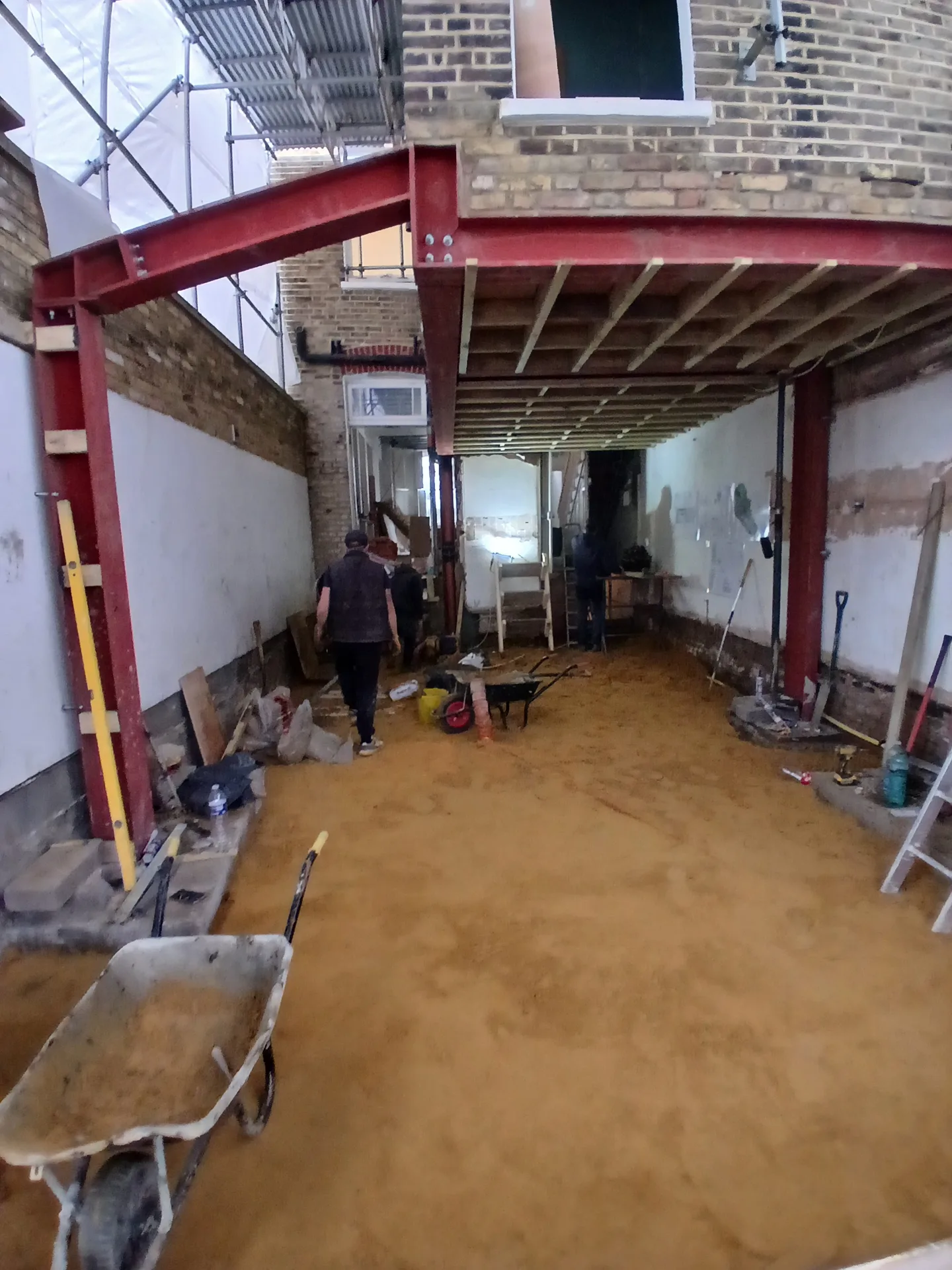
Think of a party wall contract not as a legal obstacle, but as a shared safety net - one that works equally in your favour and your neighbour's. Before work begins, a surveyor documents the existing condition of both properties, creating an impartial record. If cracks appear or damage occurs during construction, that record determines responsibility fairly, removing guesswork and preventing grievances from escalating into costly disputes.
Protection for Both Sides
The agreement formally establishes:
- Scope of works, so neighbours know exactly what to expect and when.
- Pre-construction condition surveys, providing an objective baseline if damage claims arise.
- Clear timelines and access rights, minimising disruption and keeping the project on track.
A Framework, Not a Formality
Rather than restricting your project, the agreement creates the conditions under which it can proceed smoothly - protecting your schedule, your investment, and the goodwill of those who share your walls.
The Risks of Building Without a Party Wall Contract
Skipping a party wall contract might seem like a shortcut, but the legal and financial consequences can far outweigh any time saved at the outset.
Injunctions That Halt Your Build
A neighbour who has not been properly notified retains the legal right to seek a court injunction - stopping construction immediately, regardless of how far work has already progressed. Beyond the standstill itself, they may pursue substantial compensation claims for any damage caused to their property.
Why Professional Management Is Essential
Attempting to navigate these procedures independently increases your exposure considerably. The most serious risks include:
- Construction halted mid-project by court order
- Substantial compensation claims from affected neighbours
- Legal costs accumulating while work is suspended
- Delays that cascade through the entire build schedule
Professional oversight from the very start of a project is not a luxury - it is the most reliable protection against each of these outcomes.

Extensions, Loft Conversions, and the Party Wall Contract Process
Extensions and loft conversions are among the most common residential projects in the UK - and both almost always trigger party wall obligations. Whenever a build involves excavating foundations near a boundary, raising a shared wall, or inserting steel beams that bear on a neighbour's structure, the law requires formal notice before work begins.
Why Loft Conversions Are Affected
A loft conversion might seem contained within your own roof, but steel beams typically bear on the party wall itself. Notices must go out, neighbours must respond, and surveyors may need to record the existing condition of adjoining properties - all before the first joist is lifted.
Starting Early Saves the Schedule
Formalising a party wall contract at the design stage, rather than weeks into the build, keeps the programme on track. Neighbours who feel informed from the outset are far less likely to dispute works mid-construction - and injunctions halting an active build are among the most expensive delays a project can face.
The Role of a Surveyor in a Party Wall Contract
A surveyor plays a central role in making a party wall contract work in practice. Before any work begins, they carry out a thorough schedule of condition - a detailed record of the neighbouring property's existing state. Photographs, measurements, and written notes document every crack, damp patch, and structural feature. This baseline protects everyone if damage is later alleged.
Monitoring the Build
Throughout construction, the surveyor makes periodic site visits, checking that work proceeds in line with the agreed award. If anything deviates - deeper excavations, unexpected structural changes - they intervene early, before minor issues escalate into costly disputes that could stall the entire project.
Mediating Disputes Fairly
When disagreements arise between neighbours, the surveyor acts as an impartial referee. Their authority to resolve conflicts keeps the project moving and ensures both parties remain legally protected - without the delays and expense of court action.
Victorian and Edwardian Terraces: Why a Party Wall Contract Matters More
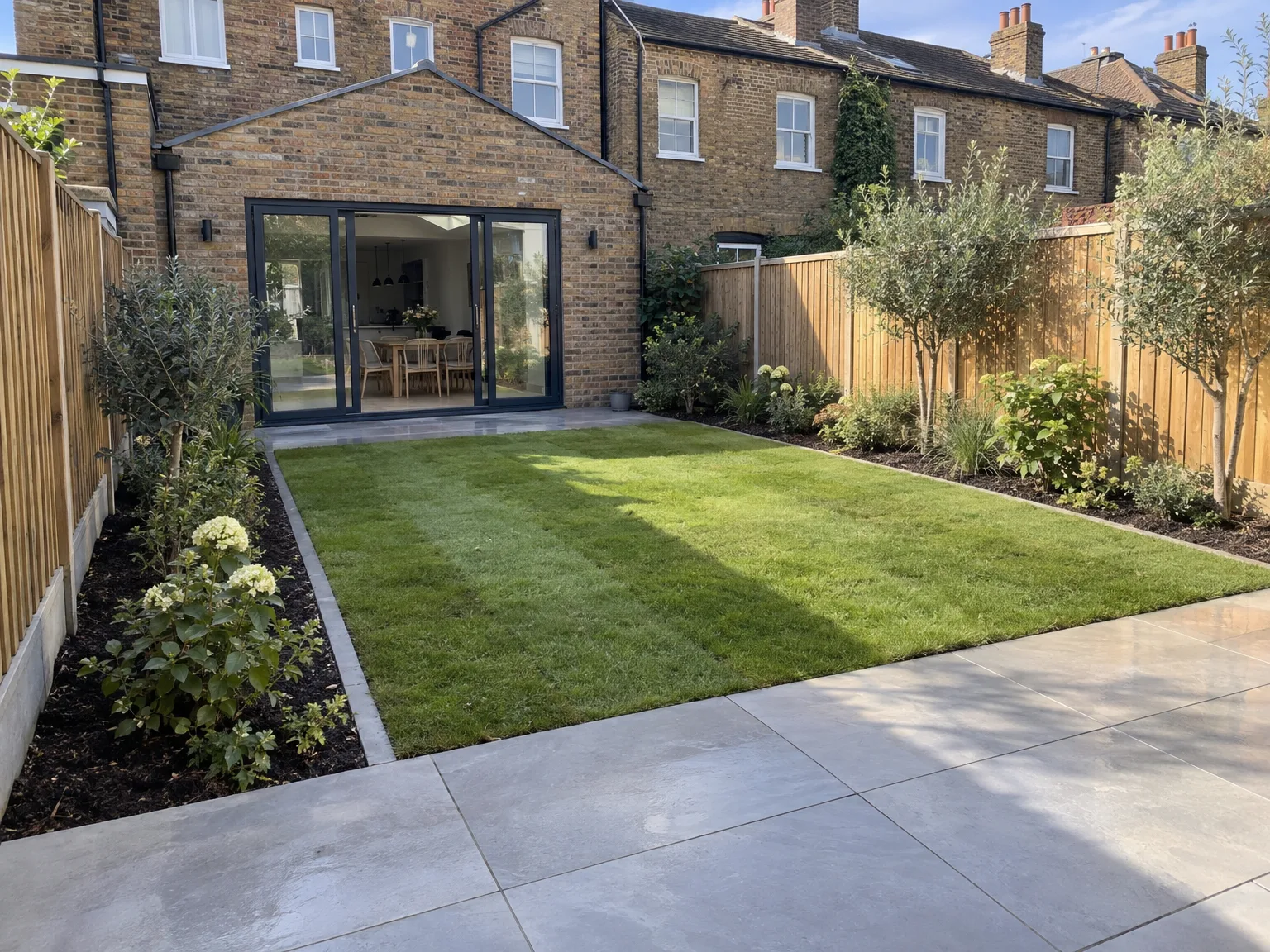
South-west London's Victorian and Edwardian terraces are characterful homes with one significant complication: shared walls on multiple sides. A mid-terrace house may sit between two neighbours simultaneously, meaning even a modest rear extension can trigger obligations to more than one adjoining owner.
Older Stock, Greater Complexity
These properties were built to standards that predate modern construction. Foundations are shallower, materials less predictable, and the structural interdependency between homes far greater than in newer builds. Without a properly managed party wall contract, liability for any resulting damage becomes deeply contested.
Why Local Experience Counts
- Party walls in terraced rows often connect several properties, not just two.
- Original Victorian brickwork responds differently to loading and vibration.
- A surveyor familiar with south-west London's housing stock can anticipate complications early.
Specialist knowledge of these property types keeps the project on schedule and relations with neighbours firmly intact.
Managing a Party Wall Contract Within a Design and Build Service
When substantial works touch a shared wall, the legal, technical, and commercial threads of a project must move together. Property owners who manage party wall procedures independently often find themselves juggling surveyors, neighbours, and solicitors as entirely separate parties - a reliable recipe for delays.
One Team, One Timeline
A design and build contractor that handles a party wall contract in-house keeps every moving part coordinated. Assessments, notices, and agreements progress alongside the build programme, not behind it. This brings clear practical advantages:
- Neighbour relations are handled professionally from the project's earliest stage.
- Pre-existing conditions are documented before works begin, protecting all parties from future disputes.
- Any complications are resolved internally rather than escalating into costly legal action.
Specialist Knowledge, Fewer Surprises
Victorian and Edwardian terraced properties - common across south-west London - typically raise several party wall considerations at once. Specialist local experience means fewer surprises and a build that reaches completion without the disruption that comes from treating legal compliance as an afterthought.
Why In-House Party Wall Contract Management Keeps Projects on Track
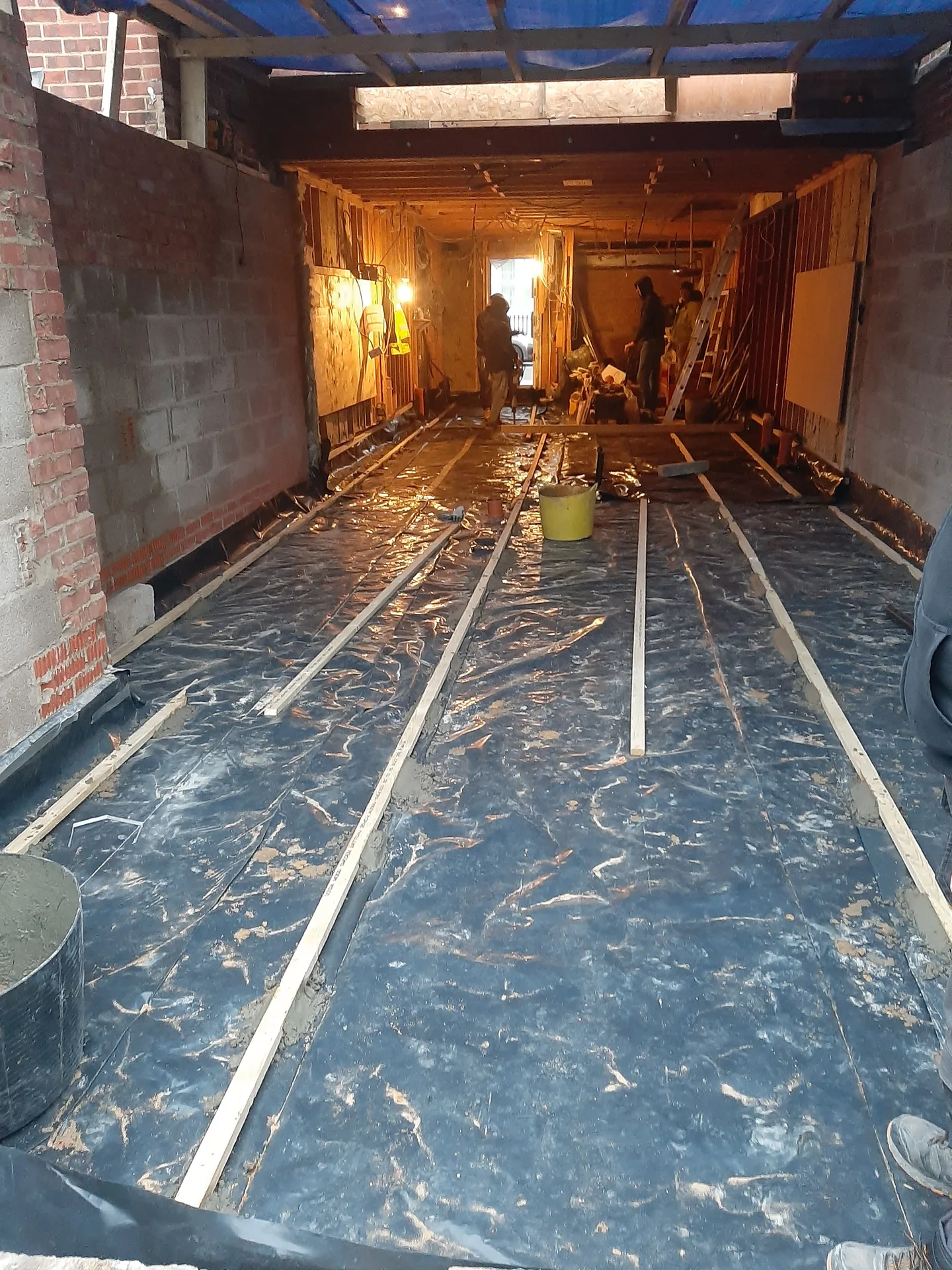
When a contractor handles party wall procedures internally, the entire build runs more smoothly from day one. There is no waiting for a third-party surveyor to catch up with the project timeline, and no risk of communication gaps creating costly delays. The contractor already understands the scope of works, the programme, and the neighbouring properties-so the process moves forward as part of the project, not as an afterthought.
One Team, Fewer Delays
Managing a party wall contract in-house means the same professionals overseeing your extension are also coordinating with neighbours and surveyors. This eliminates the friction that arises when separate parties operate to different timescales, keeping decision-making tight and responsive.
Protecting Relationships and the Programme
Positive neighbour relations matter as much as technical compliance. In-house expertise ensures:
- Neighbours receive clear, timely communication at every stage of the build
- Potential disputes are identified and resolved before they escalate into injunctions
- The construction programme remains protected from procedural interruptions that could halt work entirely
Getting Your Party Wall Contract Right from the Start
Getting your party wall contract in place early is not merely a procedural box to tick - it signals to your neighbours, your contractor, and the wider project team that you are serious about doing things properly.
The Cost of Reacting Late
When party wall matters are left until complications arise, the consequences compound quickly. Injunctions, surveyor disputes, and damaged neighbourly relations can stall a project for weeks. Proactive engagement avoids all of this:
- Surveys capture existing property conditions before work begins, protecting everyone involved.
- Neighbours receive proper notice, reducing anxiety and building goodwill from day one.
- The construction timeline stays intact, free from reactive legal interruptions.
Expertise Built Into the Process
Contractors who manage party wall procedures in-house - rather than leaving owners to navigate them alone - demonstrate genuine competence. For Victorian and Edwardian terraced homes common across south-west London, where shared walls multiply the complexity, that expertise is not a luxury. It is what keeps a project moving and a reputation intact.
FAQ - Frequently asked questions
What is a party wall contract and why do I need one?
A party wall contract is a legally binding document that defines the scope of construction work affecting a shared boundary wall, establishes timelines, and clarifies responsibility for any damage. It is not merely a courtesy but a legal requirement for substantial works affecting shared walls. The contract creates a clear legal record of your property's condition before work begins, defines responsibilities that protect everyone involved, and provides a compliant framework within which surveyors and contractors can operate with confidence.
Which home improvement projects require party wall procedures?
Party wall procedures are legally required for projects that involve breaking into, building on, or working close to a shared boundary. These include extensions that cut into or build against a shared wall, loft conversions involving structural alterations to a party wall, basement construction and excavation near neighbouring foundations, and any new wall built astride or at the boundary line. Not every home improvement triggers legal obligations, but the most ambitious projects almost certainly will.
When should I put a party wall contract in place?
A party wall contract must be in place before construction starts. This is critical - the agreement cannot be negotiated as an afterthought once disputes surface. Early attention to party wall matters prevents disputes from derailing your build mid-progress and ensures you have identified whether your planned project falls within the legal obligations before any work begins.